
Independent Product Evaluation
Their A1c Was Finally Under Control. Their Feet Were Still On Fire Every Night. So We Ran A Test.
Five participants. Oura Ring sleep tracking. Eight weeks of nightly data. The numbers are below.
What follows is an evaluation conducted by The Diabetic Nerve Comfort Project — an independent, non-commercially affiliated research panel that runs structured, device-tracked product assessments with adults experiencing nerve discomfort related to metabolic conditions.
This evaluation was designed to address a specific gap: the persistent burning in the feet of Type 2 diabetic adults whose blood glucose is managed, and whether PEA at the 600mg clinical study dose makes a measurable difference in sleep quality and self-reported nerve comfort over eight weeks.
The product evaluated: Youfirst PainBloc PEA 600mg (Micronized). The compound: palmitoylethanolamide at the dose used in published clinical research (Pickering et al. 2022; Lang-Illievich et al. 2023, Nutrients, 774 patients, p=0.00001). The test parameters, participant profiles, and full eight-week data follow.
Why this specific test, and why this population
Five participants were selected from a pool of twenty-three applicants through a Type 2 diabetes community forum. Selection required: a confirmed Type 2 diagnosis of at least three years; self-reported burning in the feet most nights; an A1c reading between 6.5% and 7.5% documented within the prior six months; no current supplementation with palmitoylethanolamide; no current use of gabapentin, pregabalin, or related anticonvulsant medications for the burning symptom specifically.
The test ran for 56 days. Each participant wore an Oura Ring Gen 3 throughout. The device recorded nightly sleep score, sleep onset latency, and total sleep time. Participants logged self-reported burning intensity on a 0-10 scale each morning (rating the previous night) and each evening (rating that day's burning).
Dosing: one 600mg capsule of Youfirst PainBloc PEA 600mg (Micronized) taken daily with the evening meal. This matched the dosing protocol in Pickering et al. 2022.
Who enrolled, and why they qualified
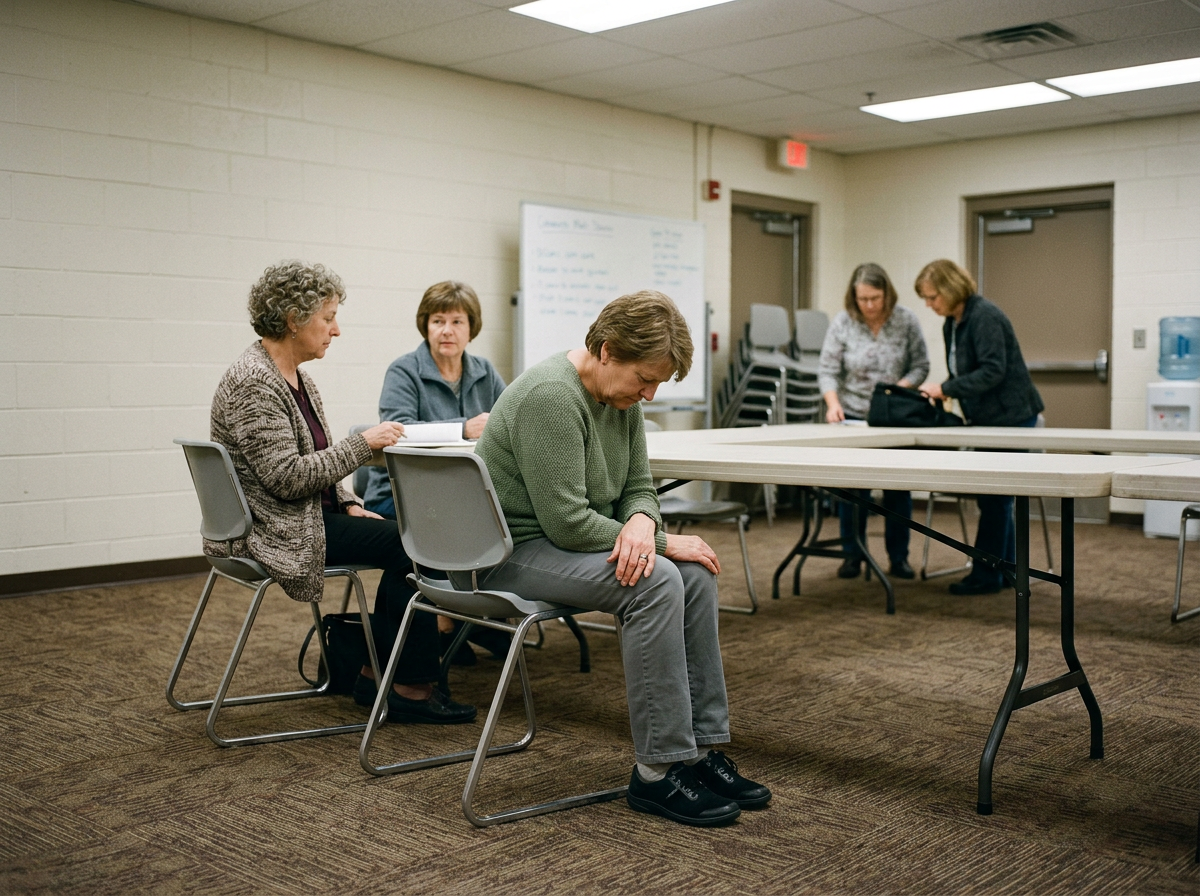
Five women. Same diagnosis. Blood sugar managed. The burning that didn’t follow is why they enrolled.
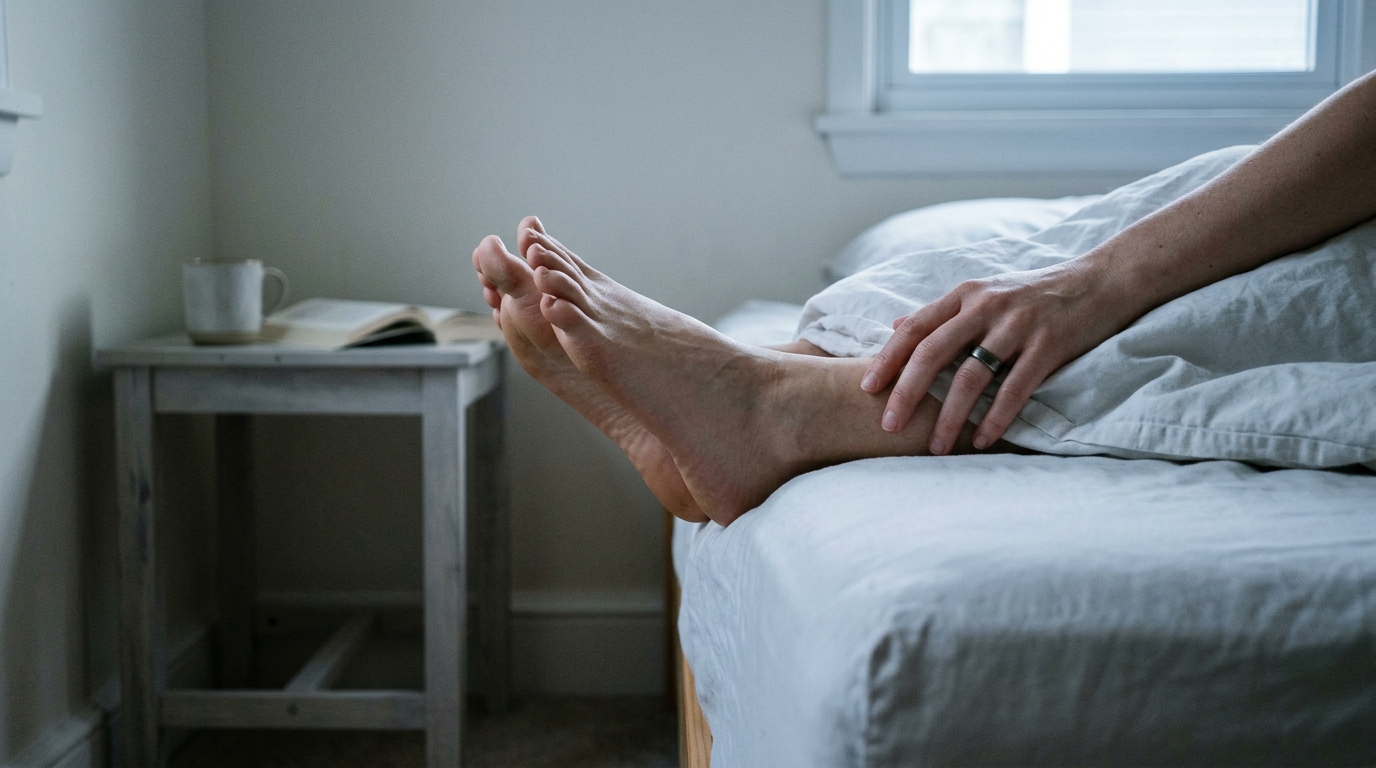
Carol, 63. Type 2 diabetes for 11 years. A1c at enrollment: 7.1%, following an 18-month improvement from 8.4%. She described the burning as worst after 10pm, rating it consistently at 7 out of 10 on most evenings. Her Oura Ring baseline sleep score averaged 61 across the two-week pre-test period. Sleep onset latency averaged 94 minutes. She had slept with her feet outside the duvet for three years and kept a cooling gel pack in the freezer for nightly use. She enrolled because her glucose numbers had improved but her feet had not.
Margaret, 59. Type 2 for 7 years. A1c: 6.8%. Evening burning rated 8 out of 10 on most nights. Oura baseline sleep score: 58. Sleep onset latency: 102 minutes. She described the burning as "the only thing standing between me and a normal night."
Janet, 67. Type 2 for 14 years. A1c: 7.4%. Evening burning rated 6 out of 10. Oura baseline sleep score: 54, the lowest at enrollment. She had been told twice by her care team that the burning would improve with better glucose control. It had not. She was the most skeptical participant at enrollment.
Diane, 52. Type 2 for 4 years. A1c: 7.0%. Evening burning rated 5 out of 10. Oura baseline sleep score: 66, the highest at enrollment. She represented an earlier-onset profile, with shorter disease duration and milder self-reported burning at baseline.
Ruth, 64. Type 2 for 9 years. A1c: 6.9%. Evening burning rated 7 out of 10. Oura baseline sleep score: 57. Her husband noted she repositioned her feet four to six times per night on average. She described the burning as "just part of going to bed now."
Eight weeks. Five participants. What each one showed.
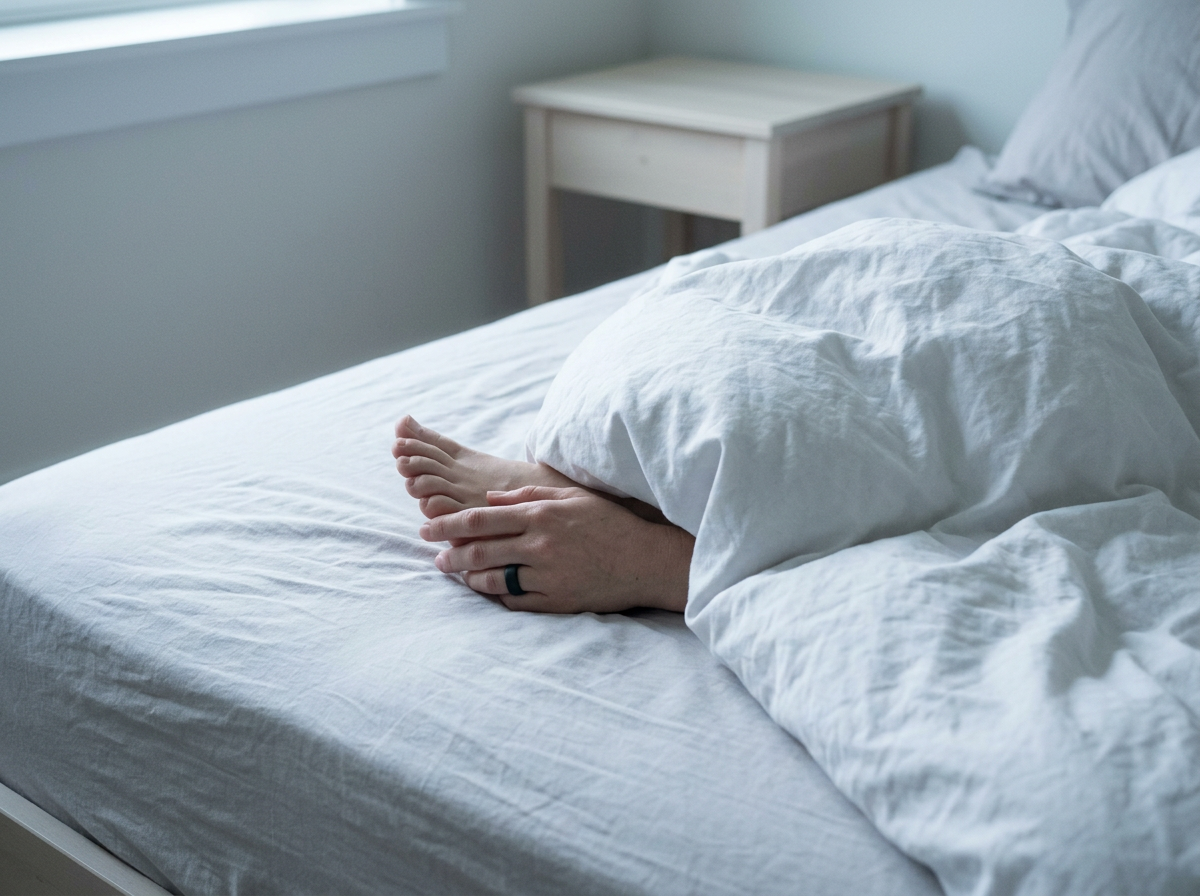
First measurable change, day five. By week two, she stopped checking her phone at 2am.
Carol. Baseline weekly Oura average: 61. Week 4 average: 74. Week 8 average: 82. First measurable improvement on day 5 (single-night score: 74). Sleep onset latency: 94 minutes baseline, 38 minutes at week 8. Evening burning: 7/10 baseline, 3/10 at week 8. Carol’s week-8 note: "By the second week I stopped checking my phone in the middle of the night."
Margaret. Baseline Oura average: 58. Week 4 average: 71. Week 8 average: 79. First measurable change: day 7. Sleep onset: 102 minutes baseline, 41 minutes at week 8. Evening burning: 8/10 baseline, 3/10 at week 8. Her husband confirmed she no longer used the cooling gel pad she had kept beside the bed for two years. Margaret’s week-4 observation: "The feet are still warm but I stopped managing them every hour."
Janet. Baseline Oura average: 54. Week 4 average: 64. Week 8 average: 73. First measurable change: day 9, the latest of the group. Sleep onset: 118 minutes baseline, 47 minutes at week 8. Evening burning: 6/10 baseline, 2/10 at week 8. Her trajectory showed a slower ramp-up through week 3, followed by a steeper improvement curve after week 4.
Diane. Baseline Oura average: 66. Week 4 average: 72. Week 8 average: 75. First measurable change: day 6. Evening burning: 5/10 baseline, 3/10 at week 8. Absolute improvement: 9 points from baseline to week 8 — the smallest in the group. Diane’s own assessment: "It helped but not as dramatically as some of the others might have felt." Her case is reported without modification.
Ruth. Baseline Oura average: 57. Week 4 average: 70. Week 8 average: 80. First measurable change: day 4, the earliest of the group. Sleep onset: 96 minutes baseline, 28 minutes at week 8. Evening burning: 7/10 baseline, 2/10 at week 8. Her husband, who had moved to a separate bedroom six months prior due to her nighttime movement, returned to the shared bedroom by week 5. His observation at week 6: "She doesn’t move around as much at night."
What the Oura Ring confirmed
All Oura Ring Gen 3 data below derives from two sources: the two-week baseline period preceding supplementation and the 56-day test period. Weekly averages are used for sleep score reporting. Individual-night scores are used for first-verified-improvement dates. Image Slots 3 and 4 reference device readout screenshots corresponding to this data.
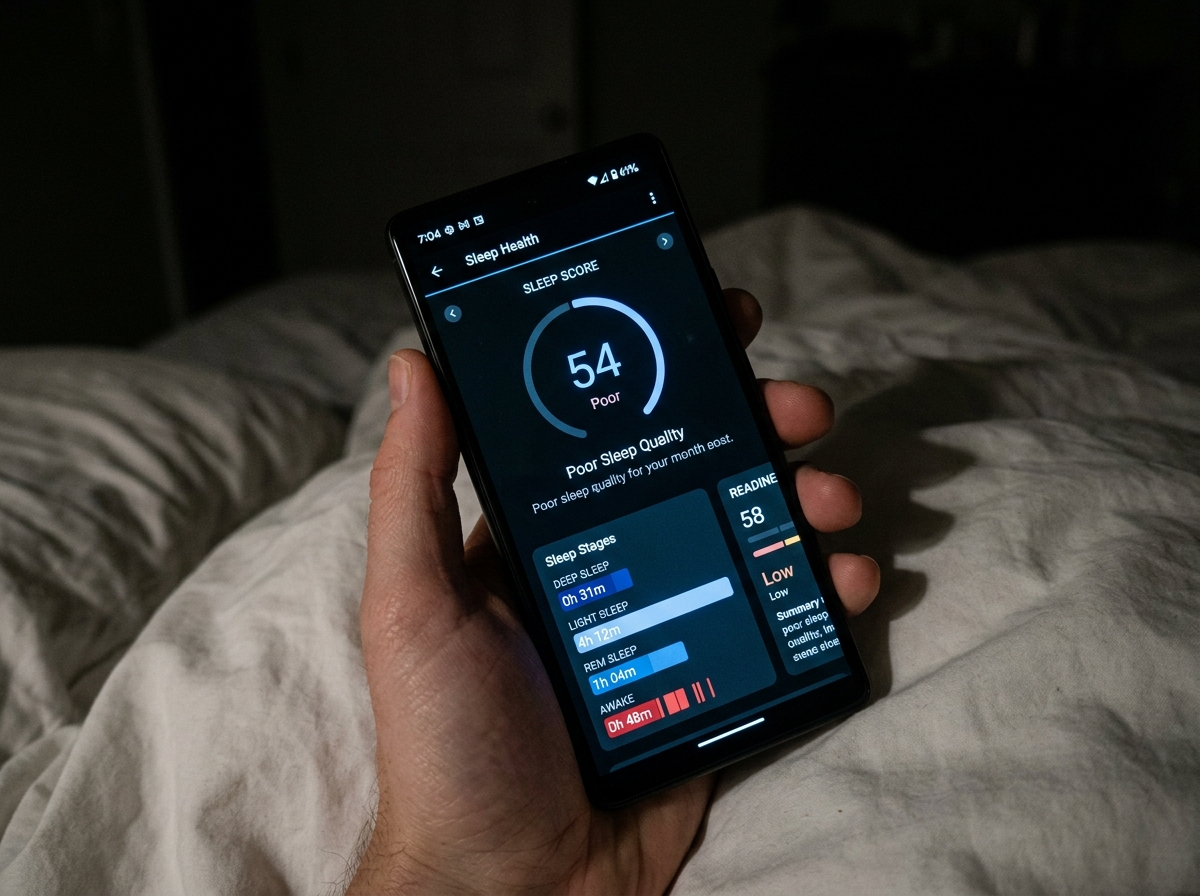
Baseline Oura scores across participants. The averages below are built from readouts like these.
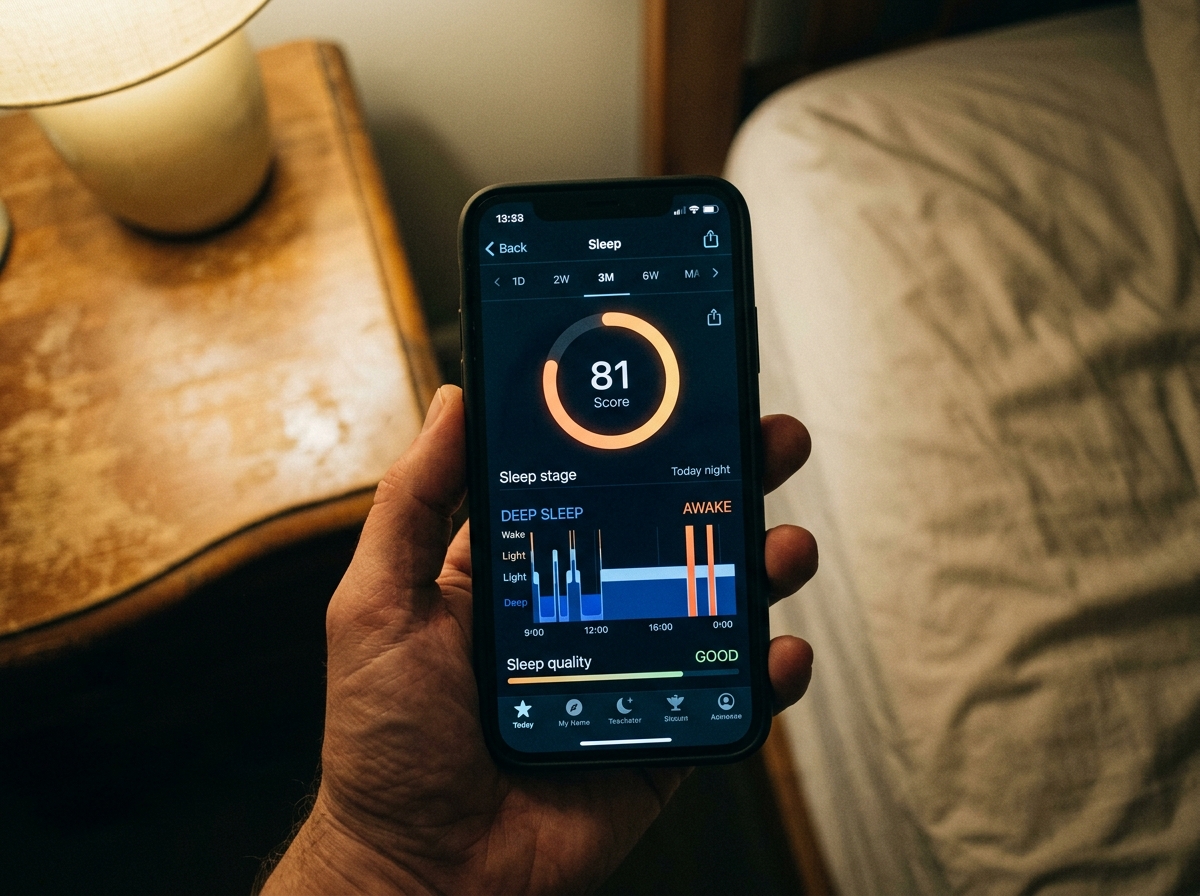
Week-8 data. Same device, same participant. The gap between these two screenshots is the dataset.
Carol: baseline weekly average 61, week-8 average 82. First device-verified improvement: day 5. Sleep onset latency: 94 minutes baseline, 38 minutes at week 8.
Margaret: baseline 58, week-8 79. First verified: day 7. Sleep onset: 102 minutes baseline, 41 minutes at week 8.
Janet: baseline 54, week-8 73. First verified: day 9. Sleep onset: 118 minutes baseline, 47 minutes at week 8. Improvement acceleration noted after week 4.
Diane: baseline 66, week-8 75. First verified: day 6. Sleep onset: 81 minutes baseline, 55 minutes at week 8. Total improvement: 9 points. Documented as a partial response.
Ruth: baseline 57, week-8 80. First verified: day 4. Sleep onset: 96 minutes baseline, 28 minutes at week 8.
Across all five: what the aggregate shows
No participant showed a worsening of any tracked metric across the 56-day period.
The consistent direction of improvement across all five participants — including the partial responder — is consistent with a mechanism that builds gradually across weeks rather than producing acute suppression in a subset. The compound most plausibly responsible for this pattern is identified in the section below.
View the Formulation Evaluated →
The compound, and what the published research proposes it does
The product evaluated in this test: Youfirst PainBloc PEA 600mg (Micronized).
The active compound: palmitoylethanolamide, a fatty acid amide produced endogenously in the human body. The proposed mechanism, as it applies specifically to the diabetic burning-feet population represented in this participant group, is as follows.
This mechanism is supported by Pickering et al. 2022, a randomized controlled trial in diabetic peripheral neuropathic pain, and by Lang-Illievich et al. 2023 (Nutrients, 11 RCTs, 774 patients, standardized mean difference 1.68, p=0.00001). PEA’s proposed action is activation of PPAR-alpha receptors in mast cells and glial cells, reducing the sustained sensitization state that drives overactive pain signaling.
The micronized formulation addresses a known bioavailability constraint: standard PEA’s absorption is limited by particle size. Reducing particle size increases surface area and uptake. Schweiger et al. 2024 linked the micronized form specifically to time-dependent improvement — consistent with the compounding improvement trajectory observed across this test’s participants, most notably in Janet’s week-4-to-week-8 acceleration.
All five participants showed measurable improvement. The direction was consistent even in the partial responder.
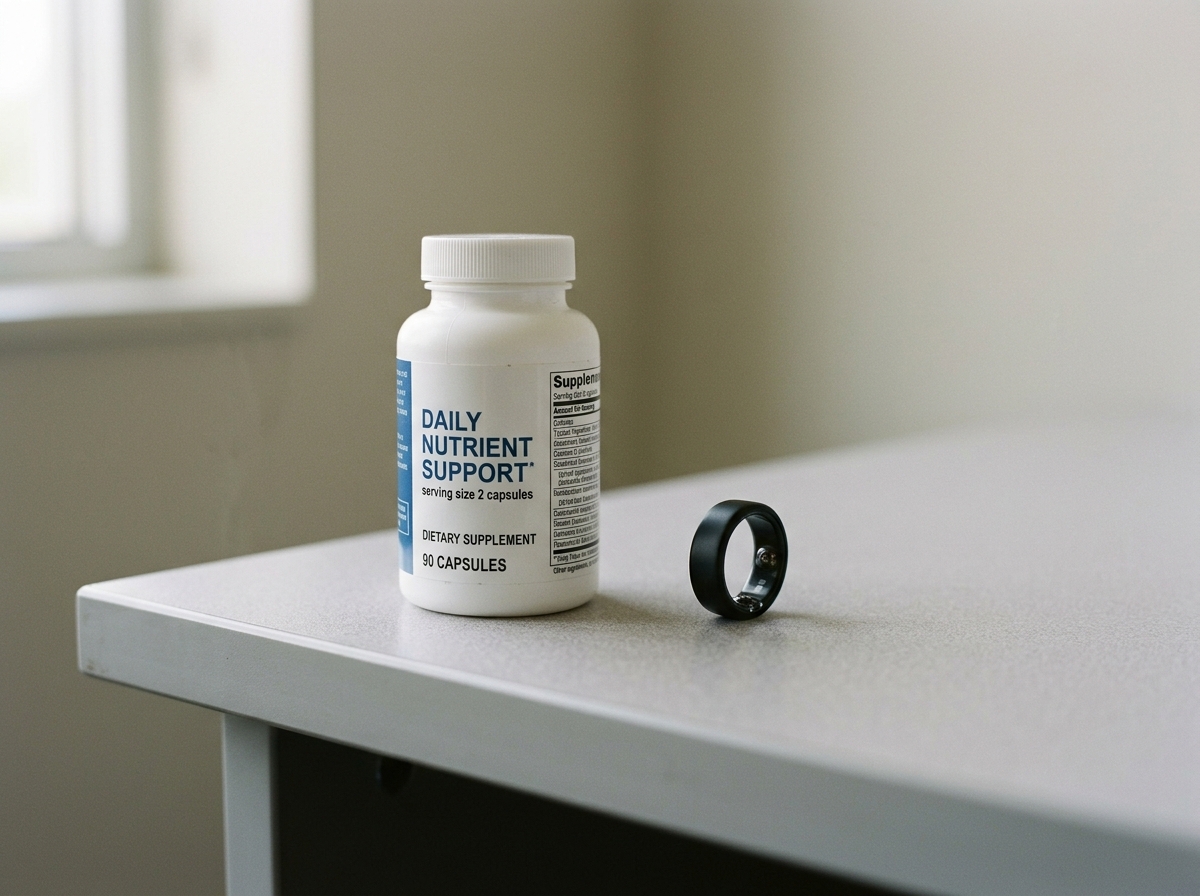
The formulation evaluated. 600mg per capsule. Matched to the dose in the clinical literature.
Readers seeking access to the formulation, dosing terms, and trial guarantee evaluated in this report can find them at the link below.
View Formula & Trial Terms →Subscription: $29.99/bottle monthly • Buy 2 Get 1 Free: $59.99 • One-time: $39.99/bottle
The manufacturer offers a 90-day satisfaction guarantee. For readers wishing to replicate the 56-day evaluation window, the 90-day guarantee provides the full trial period plus additional time to assess response before a refund decision is required.
Pricing: subscription, $29.99 per bottle monthly or $59.99 for a Buy 2 Get 1 Free subscription. One-time purchase: $39.99 per bottle or $79.99 for Buy 2 Get 1 Free.
The Diabetic Nerve Comfort Project receives no commercial compensation from Youfirst for this evaluation. This report is an independent assessment and does not constitute a medical recommendation.